

What is Everestway? Quality Standards Behind Our Auto Parts Reviews
When shoppers search for everestway parts reviews, they’re often looking for more than just star ratings—they want to understand the testing, sourcing, and quality benchmarks behind the products we offer. Everestway was founded on the belief that aftermarket auto parts should meet the same durability and fitment standards as OEM components, without the inflated price tag.
Our brand exists to bridge the gap between budget-conscious DIYers and professional mechanics who need reliable parts they can install with confidence. Every component we catalog undergoes a multi-stage vetting process before it earns the Everestway name, and we publish the results so you can make informed decisions for your vehicle.
The Three-Tier Vetting Process We Use for Every Part
Before any component enters our catalog, it passes through three distinct checkpoints. First, our sourcing team audits the manufacturer’s ISO 9001 certification and production facility records to confirm consistent quality control. Second, we run a sample batch through a third-party testing lab that measures tolerances, material composition, and load-bearing capacity against OEM specifications.
The final checkpoint is a real-world installation trial. We fit sample parts on representative vehicle models in our shop, then log performance over a 90-day observation window. Parts that fail any stage—whether due to fitment issues, premature wear, or inconsistent batch quality—are removed from consideration. This three-tier system is non-negotiable, even for high-demand categories where speed to market might tempt shortcuts.
Why Material Composition Matters
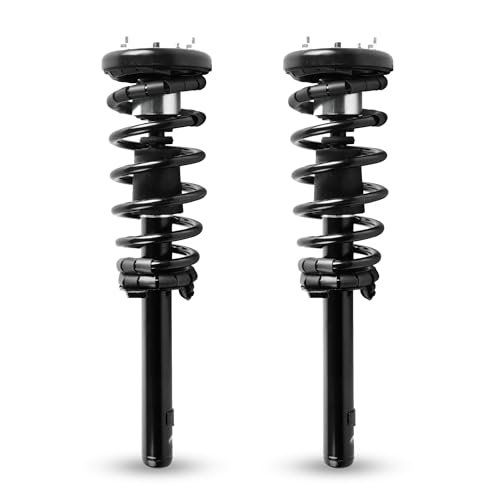
One area we scrutinize closely is the material spec printed on a part’s technical sheet versus what actually arrives. For example, suspension components like our struts must use hardened steel alloys that match OEM Rockwell hardness ratings—anything softer leads to premature bushing wear and unsafe handling. We reject suppliers who substitute cheaper alloys without disclosure, a practice that’s surprisingly common in the aftermarket space.
How We Handle Product Failures and Warranty Claims
Transparency extends beyond pre-sale testing. When a customer reports a failure—whether it’s a cracked housing, a stripped thread, or an out-of-spec dimension—we document the issue in our internal failure-rate database and contact the manufacturer within 24 hours. If a single SKU generates three or more identical failure reports in a 60-day window, we pause sales and order replacement samples for retesting.
Our warranty policy mirrors this philosophy: every Everestway-branded part carries a minimum two-year coverage period, and we replace defective units without requiring return shipping fees. We absorb those costs because we’d rather eat the expense of an occasional bad batch than erode customer trust by passing the burden back to the buyer. This approach has kept our return rate below 1.8% across all categories, well under the industry average of 4-6% for aftermarket components.
Customer Feedback Loops
We also maintain an open feedback channel where mechanics and DIYers can upload photos of fitment issues or performance anomalies. These submissions feed directly into our quarterly product review meetings, where we decide which SKUs to keep, which to replace, and which manufacturers to drop entirely. It’s a continuous improvement cycle that wouldn’t be possible without honest input from the field.
Sourcing Relationships and Supply Chain Standards
Everestway works with a curated network of roughly 40 manufacturing partners across North America and Asia. We prioritize suppliers who hold both ISO/TS 16949 automotive quality certifications and verifiable environmental compliance records. Every new supplier relationship begins with a facility audit conducted by our sourcing director, who inspects production lines, reviews batch testing protocols, and verifies that workers operate under safe labor conditions.
We also require contractual commitments to traceability. Each part batch we receive includes a lot number that traces back to the specific production run, raw material supplier, and quality-control inspector who signed off on that batch. If a defect surfaces months after sale, we can pinpoint whether it stems from a material flaw, a tooling error, or a process deviation—and address the root cause rather than just replacing the part.
Why We Don’t Always Choose the Lowest Bid
Cost is a factor, but it’s never the deciding factor. We’ve walked away from suppliers who offered 20% lower unit costs but couldn’t provide documentation for their alloy sourcing or refused to allow unannounced facility inspections. The automotive aftermarket is full of vendors who chase margin by cutting corners on metallurgy or skipping heat-treatment steps—relationships we actively avoid.
What ‘Everestway Parts Reviews’ Actually Measure
When customers leave everestway parts reviews, they’re often commenting on three core attributes: fitment accuracy, durability under real-world stress, and whether the part performed as advertised. We track these metrics separately in our review aggregation system, which sorts feedback by vehicle make, model year, and installation context—home garage versus professional shop.
Fitment accuracy scores tell us whether a part installed without modification, required minor trimming, or simply didn’t fit despite matching the advertised application range. Durability scores reflect how long a part lasted before showing wear, corrosion, or functional degradation. Performance scores capture whether the part met the customer’s expectation—did the brake pad stop as confidently as the OEM version, did the fuel pump maintain steady pressure, did the alternator deliver consistent voltage under load.
How We Respond to Low Ratings
A one-star review doesn’t automatically trigger a product recall, but it does launch an investigation. We contact the reviewer to gather details about their vehicle configuration, installation method, and driving conditions. If the issue traces back to user error—like installing a part without the required supplemental bracket—we update the product listing with clearer instructions. If the issue is a legitimate design flaw, we flag the SKU for retesting or discontinuation.
Why Our Standards Matter for Your Build
At Everestway, we measure success not by how many SKUs we list, but by how many installations go right the first time. Every part in our catalog exists because it survived a testing gauntlet designed to weed out the cheap imports and rushed designs that flood the aftermarket.
When you see the Everestway name on a component, you’re looking at a part that met the same material, fitment, and durability benchmarks we’d demand for our own vehicles. That’s the standard we built this brand around, and it’s the standard we’ll defend every time a customer asks what sets us apart.
Notes
We source from a vetted network of manufacturing partners and apply our own quality standards through multi-stage testing. Every part must pass our internal vetting process before it carries the Everestway brand, regardless of which factory produced it.
Each product listing includes a year-make-model fitment chart generated from OEM cross-reference data and verified through sample installations in our shop. If you’re unsure about compatibility, our support team can cross-check your VIN against our database before you order.
Contact our support team with your order number and a brief description of the failure. We’ll issue a replacement part and prepaid return label within one business day. You won’t pay return shipping, and we don’t require you to diagnose the root cause before approving the claim.
We publish all verified-purchase reviews, including one-star ratings, without editorial changes. The only reviews we remove are spam submissions or posts that violate our terms of service by including personal attacks or competitor product links.
We hold quarterly review meetings where we analyze failure rates, fitment complaints, and durability reports. SKUs that consistently underperform are either replaced with improved versions or discontinued entirely. Major catalog updates typically roll out twice per year.
Yes. We maintain a request list for high-demand parts that aren’t yet in our catalog. If we receive enough requests for a specific component and can identify a supplier who meets our quality standards, we’ll fast-track it through our vetting process.