

How to Choose Between Everestway Soft Roll-Up vs Hard Folding Tonneau Covers for Daily Driving
Choosing the right tonneau cover for your truck means balancing security, weather protection, and daily convenience. At Everestway, we build both soft roll-up and hard folding designs because different drivers have different priorities—some need quick bed access on job sites, while others want maximum theft deterrence for expensive gear.
This guide walks through the key differences between soft and hard tonneau covers, the materials and mounting systems that matter most, and how to match a cover’s features to your actual use case. Whether you’re hauling tools five days a week or using your truck for weekend adventures, understanding these trade-offs ensures you pick a cover that performs for years.
Soft Roll-Up Covers: Speed and Flexibility
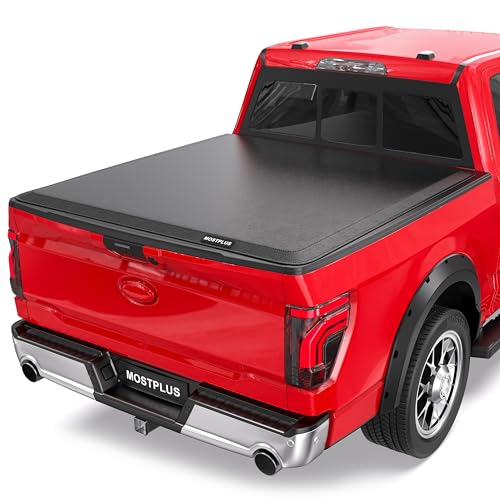
Soft roll-up tonneau covers use vinyl or canvas stretched over a lightweight aluminum frame, secured with snap fasteners or Velcro along the bed rails. The entire cover rolls toward the cab in seconds, giving you full bed access without removing any panels or walking around the truck.
This design excels when you’re loading and unloading frequently—contractors pulling ladder racks, landscapers grabbing equipment between stops, or anyone who needs the bed open multiple times per day. The exterior accessories we pair with soft covers, including low-profile LED bed lighting and extended tow mirrors, maintain that same quick-access philosophy across the truck.
Weather resistance on quality soft covers is better than many drivers expect—dual seals along the rails and a drainage channel system keep rain out during highway driving. Snow and ice sit on top rather than pooling, so you can brush it off without worrying about melt seeping through seams. The trade-off is security: a determined thief with a utility knife can cut through vinyl in under a minute, so these covers work best when your truck is parked in monitored lots or your cargo isn’t high-value.
Hard Folding Covers: Lockable Security and Load Support
Hard folding tonneau covers use rigid aluminum or fiberglass panels hinged together, latching at multiple points along the bed rails and tailgate. Each panel locks independently, and most designs support 300-500 pounds of distributed weight—enough to stand on for roof access or strap down kayaks and lumber.
Security is the primary reason to choose a hard cover. The aluminum panels resist pry tools, and the multi-point latch system means an intruder would need to defeat every lock to gain access. We see the biggest demand for hard covers from tradespeople storing power tools overnight and outdoor enthusiasts leaving camping gear or fishing tackle in the bed between trips.
Tri-Fold vs Quad-Fold Configurations
Tri-fold covers divide the bed into three equal panels; the front panel folds onto the middle, then both fold onto the rear panel, leaving about two-thirds of the bed open when fully retracted. Quad-fold designs add a fourth panel for a more compact stack against the cab, opening closer to three-quarters of the bed. The extra hinge adds weight and cost, but it’s worth it if you regularly haul items longer than five feet. Installation for both styles takes 30-45 minutes with basic hand tools and clamps onto the bed rails without drilling.
Material Durability and UV Resistance
Vinyl tonneau fabrics are rated by denier count—the thread density of the weave. A 24-ounce marine-grade vinyl (around 1,000 denier) is standard for quality soft covers and holds up to five to seven years of sun exposure before you see fading or surface cracking. Cheaper 18-ounce fabrics start showing UV damage within two to three years, especially in southern climates where summer dashboard temps exceed 160°F.
Aluminum hard panels are powder-coated to match OEM truck paint codes, and the coating is more UV-stable than vinyl—expect ten-plus years before any noticeable fading. The National Highway Traffic Safety Administration maintains cargo-carrying guidelines that apply to how tonneau covers distribute load weight across the bed rails, which is why hard covers specify their weight ratings while soft covers do not.
Fiberglass hard covers are less common but offer the smoothest finish and can be color-matched exactly to your truck. The downside is weight—fiberglass tri-folds often exceed 80 pounds, making single-person installation difficult. Aluminum tri-folds weigh 50-60 pounds and are easier to handle solo.
Mounting Systems and Bed Rail Compatibility
Most tonneau covers clamp onto the top of the bed rails using adjustable brackets spaced every 18-24 inches. This no-drill installation preserves your truck’s resale value and lets you remove the cover completely in under ten minutes if you need to haul a tall load.
Some hard covers offer stake-pocket mounts that drop into the factory tie-down holes along the bed rail. This system sits slightly lower and creates a cleaner look from the side, but it only works on trucks with evenly-spaced stake pockets—many late-model GM and RAM trucks have offset or missing pockets that make these mounts incompatible. Always check the manufacturer’s fitment guide for your exact year, make, and bed length before ordering.
Liner and Spray-In Bedliner Fit
Drop-in bed liners raise the rail height by about half an inch, which means standard clamps may not tighten properly. Most quality tonneau covers include shim spacers to account for this, but confirm compatibility during checkout. Spray-in liners usually don’t affect mounting because they coat the rail top without adding measurable thickness, though some installers recommend masking the clamp contact points before spraying to ensure a flush fit.
Matching Your Cover to Your Truck’s Real Use
The right tonneau cover depends less on which design is objectively better and more on how you actually use your truck day to day. If you’re opening the bed multiple times per shift, a soft roll-up cover saves enough time and hassle to justify the security trade-off. If your truck sits in public parking overnight or you’re hauling gear worth stealing, the hard folding design’s lockable panels and load-bearing capacity make it the better investment.
Most Everestway customers find that matching the cover’s strengths to their top two priorities—whether that’s speed, security, weather sealing, or weight capacity—leads to a choice they’re still happy with years later. Measure your bed length carefully, confirm compatibility with any existing bed liners or toolboxes, and plan for professional installation if you’re not comfortable working with clamps and adjustable brackets. A well-chosen tonneau cover improves your truck’s function and longevity far beyond what the upfront cost suggests.
Notes
Real-world fuel economy gains from a tonneau cover are modest—typically 0.3 to 0.8 mpg at highway speeds, according to SAE wind-tunnel studies. The cover reduces aerodynamic drag by smoothing airflow over the open bed, but the effect is most noticeable on longer highway trips at 65+ mph.
You’ll see the biggest improvement with a low-profile hard cover that sits flush with the cab and bed rails. Soft roll-up covers still help, but the slight billowing at speed creates more drag than a rigid panel. If fuel savings are your primary goal, expect to recoup the cover’s cost after about 15,000-20,000 highway miles, depending on current gas prices.
Yes, but you need a cover specifically designed for toolbox compatibility. Standard full-length covers assume an empty bed and won’t clear a crossover toolbox mounted behind the cab.
Look for short-bed or toolbox-compatible models that start 12-18 inches farther back, leaving room for the toolbox lid to open. Some tri-fold hard covers have a hinged front panel that flips forward over the toolbox rather than back toward the tailgate. Soft roll-up covers don’t pair well with toolboxes because the rolled fabric has nowhere to go once it hits the box.
For soft vinyl covers, wash with car soap and a soft brush every 4-6 weeks to prevent dirt buildup in the grain of the fabric. Rinse thoroughly and let air-dry before rolling it up—trapped moisture between the vinyl and frame rails can cause mildew stains over time.
Apply a UV protectant spray formulated for marine vinyl twice per year, focusing on the top surface where sun exposure is highest. Hard aluminum covers need less maintenance—just soap, water, and a coat of automotive wax once or twice a year to protect the powder coating. Check all latch points and hinges every few months for debris or corrosion, and apply a dry lubricant like graphite powder if any mechanism feels sticky.
A tonneau cover reduces rust risk by keeping rain, snow, and road salt out of the bed, but it’s not a complete barrier. Water can still enter through the tailgate seal or drain holes, especially during heavy storms or pressure washing.
The bigger rust-prevention benefit comes from blocking UV exposure, which degrades factory bed coatings over time and accelerates oxidation. If rust prevention is critical—for trucks in coastal or snow-belt regions—combine the tonneau cover with a spray-in bedliner, which seals the metal completely and prevents moisture contact even if water does get under the cover.
Soft roll-up covers can be driven partially open by rolling them halfway and securing the loose end with the included straps, though wind noise increases significantly above 45 mph. Hard folding covers should not be driven with panels flipped up—the hinges and latches aren’t designed for sustained wind load, and you risk bending the panels or damaging the mounting brackets.
If you need occasional open-bed driving, choose a soft roll-up design that retracts completely or a hard cover that removes in sections. Some tri-fold covers let you detach the rear panel independently for extra length without compromising the front two-thirds of the bed.
Yes, but cold weather affects soft and hard covers differently. Vinyl becomes stiffer below 20°F, making soft covers harder to roll and unroll—you may need to let the truck warm up in the sun or a heated garage before operating the cover smoothly.
Hard folding covers handle cold better because the aluminum panels and hinges don’t lose flexibility. The main cold-weather issue is ice buildup around latch points and seals, which can prevent the cover from opening if moisture freezes overnight. Spray silicone lubricant on all moving parts before the first freeze, and keep an ice scraper in the cab to clear latches as needed. Neither cover style requires removal during winter unless you’re plowing snow and need full bed access for salt or equipment.